
How to Avoid Overpaying for Couples Spa Packages: The Complete Guide
Securing true value within the luxury wellness economy requires a careful analysis of bundling strategies. The market for shared wellness experiences exists in a state of structural economic tension. Generally, these curated treatments are designed for two participants.
Hospitality providers routinely engineer multi-treatment bundles. This strategy maximizes revenue per occupied room hour. Wellness facilities must absorb high fixed operating costs. These include specialized real estate, hydrotherapy infrastructure, and skilled labor. Consequently, their revenue management systems are highly sensitive to demand fluctuations.
The Emotional Framing Challenge
The primary challenge for consumers stems from emotional marketing framing. Wellness marketing routinely pairs shared treatments with major milestones. These options target anniversaries, honeymoons, or seasonal holidays. This explicit connection to high-sentiment events creates a predictable consumer behavior pattern. It triggers an increased willingness to pay alongside a lower sensitivity to price variations.
Therefore, pricing structures are often driven by perceived emotional value rather than baseline costs. Overcoming this pricing strategy requires moving past surface-level price comparisons. Consumers must carefully examine the specific cost components of a facility’s treatment menu.
Hidden Cost Structures
Furthermore, the modern wellness grid introduces hidden cost structures. These fees can quickly erase the perceived value of any promotional offer. Spas optimize several features to capture revenue from convenience-focused guests. These include automatic service charges, facility access fees, tiered product pricing, and restrictive cancellation policies.
True optimization requires treating the spa booking as an adjustable service bundle. Consumers must balance baseline treatment durations against hidden administrative costs to maintain a strict budget. Finally, they must weigh day-use property access rights against the non-monetary value of unbundled leisure time.
Understanding “how to avoid overpaying for couples spa packages.”
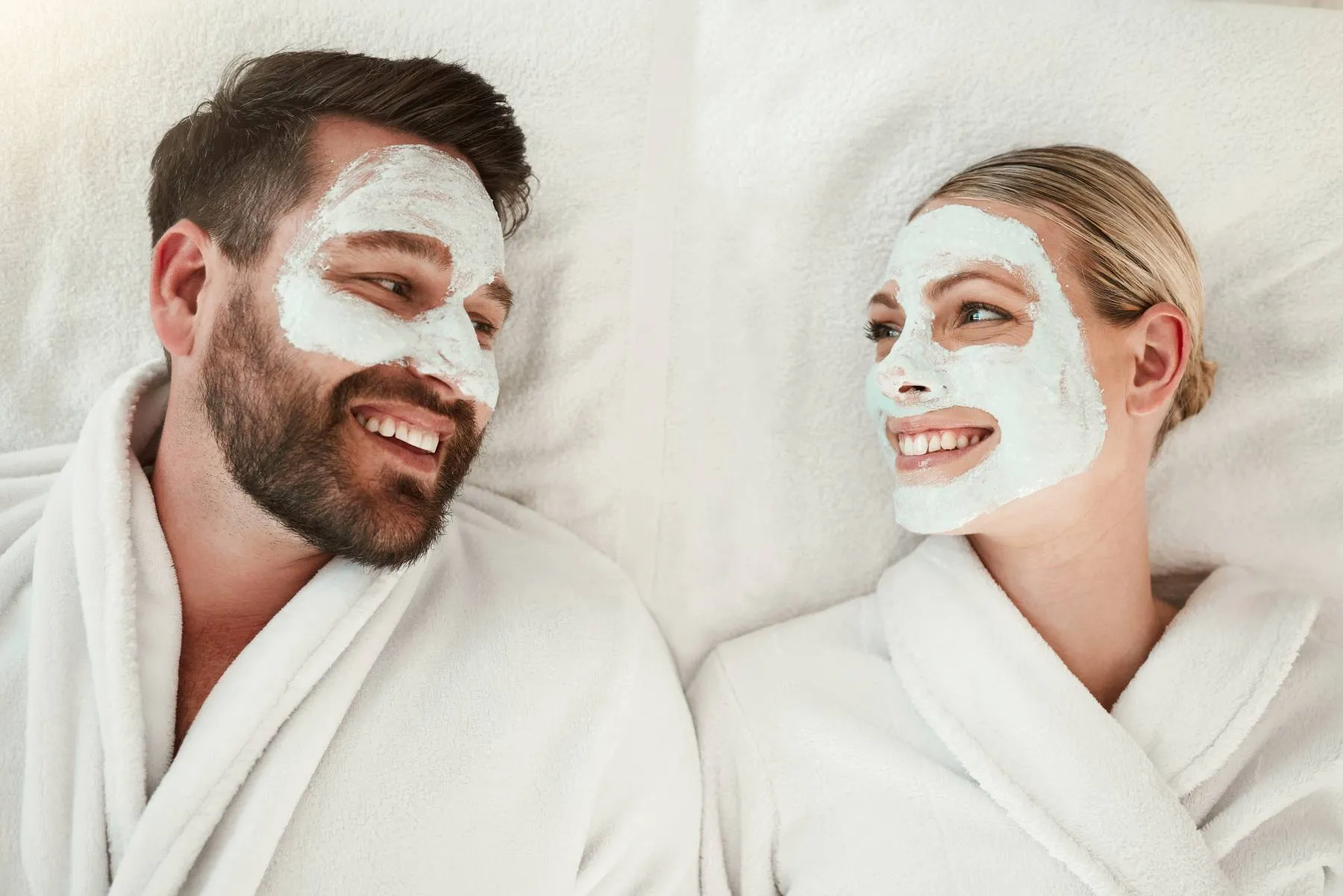
To accurately exploit wellness menu pricing inefficiencies, look past superficial metrics. Headline discount rates or complimentary glassware additions often mask the true cost.
The core challenge rests on menu engineering. This practice involves deliberately arranging and pricing items to steer consumers toward high-margin options. Wellness facilities classify their services into distinct tiers based on margin performance and labor intensity. Understanding how these packages are constructed is essential to uncovering pricing gaps.
Shared treatment packages are uniquely challenging to evaluate. They frequently mix high-value services with low-cost, high-markup extras. They replicate the timeline of a premium luxury experience but are structurally padded with non-massage filler elements. When examined through this analytical lens, the operational mechanisms behind inflated pricing become clear:
-
The Amenity Padding Penalty: Packages frequently feature non-labor-intensive segments. These include self-guided mud baths, private relaxation room sessions, or generic foot soaks. They are priced at premium rates despite requiring near-zero active attention from a licensed therapist.
-
Asymmetric Time-Block Valuation: A classic optimization loophole occurs within a 90-minute shared experience. The block might consist of a 50-minute treatment paired with 40 minutes of unguided relaxation time. This structure masks a steep drop in active labor delivery.
-
The Presentation Premium: The inclusion of dynamic lighting, specific aromatic diffusions, and low-cost food or beverages can inflate a baseline price by 30% to 50%. This markup far outstrips the wholesale cost of the physical products.
The Reality of Pre-Built Bundles
A common misunderstanding is the belief that pre-assembled bundles are inherently more cost-effective thanà laa carte bookings. In practice, modern revenue engines use strategic price anchoring. This makes pre-built packages look highly attractive compared to artificially inflateà lala carte options.
By oversimplifying the booking process into a search for bundled deals, consumers often overlook critical structural factors. These include therapist labor pools, property fee rules, and treatment room turnaround limits. True optimization requires shifting focus to the precise cost-per-minute of hands-on therapy time.
Deep Contextual Background: The Evolution of Wellness Yield Optimization
The financial structures of contemporary wellness hospitality stem from a systemic transformation. This shift followed the widespread adoption of digital property management software in the late 1990s and early 2000s. Before this period, spa facilities operated primarily as non-revenue amenities. They were designed mainly to drive guest room bookings at destination hotels. Treatment prices were relatively static, menus were straightforward lists, and shared treatment rooms were rare.
The integration of advanced yield-optimization software changed the role of the spa. The facility evolved from a secondary amenity into a high-yield profit center. Revenue management systems began applying the exact principles used by airlines and hotels. These included dynamic pricing based on day-of-week demand, time-of-day peak utilization modeling, and strategic inventory fencing.
Capitalizing on Peak Demand
Providers discovered that the demand curve for wellness services spikes during specific windows. Corporate and leisure downtime periods see the highest traffic. Specifically, Friday afternoons, Saturdays, and holiday long weekends experience major surges.
To maximize profit from limited space, facilities began building larger, more luxurious shared suites. These rooms allowed them to capture higher revenue per square foot. They could now serve two guests simultaneously while streamlining infrastructure costs. This layout reduced overhead for laundry, sanitation, and shared relaxation lounges.
Today, providers use multi-variant automated pricing models. These systems adjust the cost of shared experiences in real time. They calculate rates based on active room bookings, therapist availability, and seasonal demand. For the modern consumer, this history explains why shared wellness options carry complex pricing. They are carefully engineered profit frameworks designed to extract maximum value from peak demand windows.
Conceptual Frameworks and Mental Models for Premium Service Appraisal
To reduce expenses without sacrificing the core experience, consumers can use structured mental models. These frameworks are derived from operational logistics, time-use optimization, and microeconomics. They replace guesswork with precise, repeatable metrics for service appraisal.
The Net Therapy-Minute Metric (NTMM)
This framework strips away the marketing language of a package to evaluate its true value based strictly on active, hands-on treatment time. The calculation requires separating the exact minutes a licensed therapist is actively delivering a service from the total duration of the scheduled experience.
-
Application: A consumer evaluates a $500 shared package advertised as a “two-hour romantic journey.” Upon analysis, the schedule reveals 50 minutes of concurrent massage, 20 minutes of foot cleansing, and 50 minutes of unguided relaxation time in a hydrotherapy tub. The active NTMM is 50 minutes per person. The consumer can compare this against the propertyà laala carte rates to see if they are paying an inflated premium for unguided room time.
-
Limitation: This model treats all time spent without a therapist as low-value, which may not align with consumers who place a high personal value on private room access or specific hydrotherapy infrastructure.
à la carte re-composition paradigm
This model treats every pre-assembled package as a collection of individual parts that can be taken apart and put back together manually. It operates under the assumption that a package should only be purchased if its total cost is lower than the sum of its standalone parts.
-
Application: A consumer lists every single element of a wellness bundle—such as a body scrub, a facial, and a glass of sparkling cider. They then calculate the cost of booking just the high-priority core treatmà las ala carte, intentionally stripping out low-utility add-ons to build a leaner, more cost-effective custom booking.
-
Limitation: Some destination properties use restrictive booking rules that prevent guests from accessing specific high-end facilities unless they purchase a top-tier pre-assembled package.
The Capacity Utilization arbitrage
This model analyzes a wellness facility as a real estate engine focused on filling empty time blocks. Spas experience predictable shifts in open appointments throughout the week, leaving expensive treatment rooms and salaried staff underutilized during off-peak morning and mid-week hours.
-
Application: Consumers use this timing difference to book shared treatments during low-demand windows—such as a Tuesday morning or a Thursday afternoon. This approach allows them to secure discounted off-peak rates, complimentary service upgrades, or extended facility access that would be impossible to negotiate during a busy Saturday afternoon.
-
Limitation: This strategy requires significant schedule flexibility, making it difficult to use for travelers on tight weekend or holiday itineraries.
Key Programmatic Variations and Menu Engineering Trade-Offs
When consumers look for shared wellness options, they must choose between different package configurations. Each model balances price against treatment depth, facility access, and schedule flexibility.
The Mechanics of Menu Deconstruction
The inflation of shared treatment pricing is often driven by a property’s use of low-cost product additions to justify a higher package price. For example, a spa might take a standard 50-minute massage priced at $150 per person à la carte ($300 total for two) and bundle it into a themed couples package priced at $480.
The extra $180 is justified by adding a 10-minute aromatherapy inhalation step, a low-cost sugar foot scrub product, and two glasses of generic sparkling wine. Deconstructing this bundle allows you to see the real margins: the actual product cost to the spa for these add-ons is often under $15, meaning the consumer is paying a massive premium for basic presentation changes.
To fully understand how these package choices translate into real-world value, it helps to look at the physical layout of a wellness facility. Visualizing how individual treatment spaces connect to the main thermal suites reveals why simple choices in room selection can yield substantial savings.
Visualizing Spatial Flow and Amenity Access Optimization
When optimizing a wellness experience, understanding how different booking paths impact your access to a facility’s amenities can help you avoid paying for unnecessary upgrades.
As shown in the spatial layout above, core thermal suites and relaxation lounges are often accessible from both individual treatment rooms and premium shared suites. Booking two individual treatments simultaneously gives you the same access to these shared amenities as a premium package, without the added cost of a private couples suite.
Detailed Real-World Scenarios and Contractual Blind Spots
To see how these conceptual frameworks and menu pricing structures function under real-world conditions, we can analyze several realistic booking scenarios. These examples highlight the compounding costs and service errors that can happen when vague package descriptions meet rigid resort policies. They demonstrate how a lack of clear planning can quickly turn a relaxing day into an expensive mistake.
The Automated Service Charge Escalation
Analyzing realistic booking scenarios highlights the compounding costs and service errors that can occur. These examples demonstrate how a lack of clear planning can quickly turn a relaxing day into an expensive mistake.
The Automated Service Charge Escalation
A couple of books, a promotional shared wellness package at a high-end urban hotel spa. The advertised weekend rate is a competitive $450. The couple assumes this represents the complete final cost of the service.
-
The Constraint: High-end facilities routinely apply automated service fees, resort taxes, and mandatory gratuities. Crucially, they calculate these from the original, undiscounted value of the treatments.
-
The Failure Point: At checkout, the bill features an automatic 22% service charge and an 8% city resort tax. Both are calculated from the baseline aà lacarte value of $600, rather than the $450 promotional rate.
-
Second-Order Effects: The final bill climbs to $630, completely erasing the expected savings. This causes immediate frustration at the front desk, all due to a failure to check the fine print.
The Shared Suite Time-Compression Trap
A pair of travelers books a 90-minute “Shared Escape Package” at a destination mountain resort. The marketing description promises an immersive experience featuring a personalized body wrap and access to a private hydrotherapy soaking tub within the room.
-
The Constraint: Shared suites require extensive cleanup and turnover time between guest sessions. Consequently, facilities count intake, undressing, and self-guided soaking times toward your total scheduled block.
-
The Failure Point: The experience consists of 20 minutes of intake, a 40-minute unguided tub soak, and only 30 minutes of hands-on massage.
-
Second-Order Effects: The guests pay premium treatment rates for time spent sitting unguided in a hot tub. They could have enjoyed this for free at the main resort pool, meaning they overpaid significantly for actual therapy time.
The Restricted Treatment Room Downgrade
A couple of books, two individual 80-minute deep tissue massages scheduled for the same time block at a luxury coastal resort. They opt for this à la carte route to save $120 over the resort’s pre-built couples package, assuming they will automatically be placed in a shared room.
-
The Constraint: Spas treat shared couples’ rooms as premium inventory. They reserve them primarily for guests who pay for top-tier packaged experiences.
-
The Failure Point: Upon arrival, the front desk informs the couple that they are being assigned to separate individual treatment rooms on opposite sides of the facility because they bookeà lala carte.
-
Second-Order Effects: The couple spends their wellness day completely separated, losing the shared aspect of the experience. Alternatively, they must pay a last-minute $100 room upgrade fee to secure a shared space, wiping out their initial savings.
The Non-Refundable Weather Disconnect
A couple of books and an expensive outdoor beachside massage package at a tropical resort as part of a weekend trip. The package requires a full, non-refundable deposit at the time of booking to secure the specific oceanside cabana space.
-
The Constraint: Outdoor wellness services depend heavily on local weather conditions. They require clear backup options in your booking agreement.
-
The Failure Point: A sudden tropical storm brings heavy rain and high winds on the day of their appointment, making the outdoor cabana completely unusable.
-
Second-Order Effects: The spa automatically moves the couple’s treatments into two small, windowless interior rooms near the fitness center. However, the property refuses to refund the premium outdoor surcharge, leaving the guests paying top-tier prices for a basic indoor experience.
Planning, Cost, and Resource Dynamics
The total financial cost of a luxury wellness experience is rarely limited to the menu-based rate. To build an accurate budget, you must account for both direct and indirect expenses. This practice ensures that upfront savings aren’t simply wiped out by hidden add-ons later.
The Real Cost of Wellness Upgrades
Focusing solely on the lowest headline package price often invites secondary expenses. These fees quickly drive up the final bill. For example, booking a cheap package at a remote resort can result in high transport or parking fees. These costs easily eat up your initial savings.
Similarly, basic packages may exclude thermal suite access. This omission forces you to pay an extra day-pass fee just to use the saunas and steam rooms.
True financial efficiency means calculating the total cost of the entire experience before you book. You must look past the base menu price to evaluate how your choices impact overall spending. Always factor in transportation, facility access fees, and mandatory service charges.
Wellness Tier Classifications
| Wellness Tier Classification | Base Rate Target Range (For Two) | Expected Add-on Charges | Facility Access Window | Value Delivery Rating |
| Urban Day Spa Core | $250–$400 | 15%–20% service fee; parking costs | Treatment duration only | High (Direct focus on hands-on therapy time) |
| Luxury Hotel Destination | $450–$750 | 20%–25% automatic gratuity; valet parkingFull-day | Your access to standard pools and fitness centers | Moderate (Premium rates for high-end environments) |
| Exclusive Ultra-Resort | $800–$1,500+ | Mandatory resort taxes; premium room surcharges | Unlimited access to extensive thermal suites and private beaches |
Tools, Strategies, and Diagnostic Procurement Systems
Moving from emotional bookings to a systematic procurement approach requires clear verification habits and diagnostic strategies. When used together, these steps remove the guesswork from spa bookings. They turn your selection process into a clear, data-driven science.
Key Diagnostic Booking Strategies
-
Direct Menu Itemization Audits: Before booking any shared package, contact the spa directly for an itemized list. Ask for a complete, written breakdown of every service included alongside its individual ala carte price. Cross-referencing these numbers allows you to calculate the exact premium charged for presentation elements. This includes things like themed lighting or complimentary drinks, helping you spot artificially marked-up packages.
-
Strategic Off-Peak Booking Windows: Avoid scheduling treatments during highly contested Saturday afternoon slots. Instead, look for open appointments during off-peak windows, such as Monday through Thursday mornings. Spas routinely offer lower base rates or waive facility access fees during these times. They may also include complimentary upgrades to keep their treatment rooms busy and salaried staff utilized.
-
The Simultaneous Individual Request: When booking, ask to price two individual, standalone treatments scheduled for the same time block. Do this rather than requesting a pre-assembled couples package. If the property has a shared treatment room available, you can often request it for a small fee or no extra charge. This approach secures the shared experience you want without paying a premium package markup.
-
Third-Party Aggregator Verification: Before booking directly with a luxury hotel spa, check high-end wellness platforms like Spafinder or local curation sites. Look to see if the property has active promotional offers, discounted gift certificates, or exclusive bundles. Often, these amenity-rich deals are not listed on their main public menu.
-
Digital Corporate and Loyalty Portal Checks: Many premium credit card networks and corporate perk portals partner with major luxury hotel brands. They frequently offer exclusive discounts or complimentary credits for on-site wellness facilities. Checking these portals before you book can turn up h
Risk Landscape and Failure Modes
The financial dangers of aggressive budget booking strategies are rarely isolated events; instead, they tend to compound, creating a chain of logistical issues that can ruin a wellness experience. In risk management, this is known as a cascading failure, where an initial minor oversight triggers a sequence of larger disruptions.
Consider how a wellness booking can go wrong: The vulnerability begins when a consumer chooses a deeply discounted shared package at an unverified, off-brand facility solely to save money. When they arrive, they discover poor hygiene standards, broken steam rooms, or unlicensed staff.
This triggers a first-order breakdown: uncomfortable with the conditions, the guests cancel the services on the spot, but because they signed a rigid, non-refundable booking agreement, the facility refuses to return their deposit.
Driven by the frustration of a ruined anniversary or holiday weekend, the couple scrambles to find an immediate replacement. They end up booking a last-minute, premium-priced appointment at a high-end luxury hotel nearby.
This unexpected expense completely blows their budget, leaving them paying double what they originally intended, all stemming from a failure to properly vet the quality and terms of the first facility. This pattern is a classic risk when the hidden traps of budget wellness bookings are left unmanaged.
Governance, Maintenance, and Long-Term Adaptation
An optimized wellness budget shouldn’t be a rigid, unyielding document. Instead, it should operate as an evolving system that grows more accurate with every experience you book. By keeping simple records of your past spa visits, you can systematically spot pricing trends and avoid hidden fees on future trips.
The core of this process is the post-service review, which should happen within 24 hours of your visit, while the details of your bill and experience are fresh. Sit down and look over your final receipt, checking for any unexpected line items like hidden facility fees, inflated resort taxes, or unarranged product upgrades.
Note these leakage points and use them to update your booking strategy. To turn this into a concrete routine, consumers can use the following layered checklist, adjusting it to match the rules and pricing setups of each new facility.
The Multi-Tiered Wellness Booking Checklist
1: Menu Engineering and Structural Audit (3 Weeks Out)
-
Request a full itemized price list for both individual services and pre-built packages from the spa.
-
Calculate the Net Therapy-Minute Metric to determine the exact cost per minute of hands-on massage time.
-
Verify if booking two individual treatments simultaneously allows you to request a shared couples room without a package markup.
-
Check premium credit card portals and loyalty programs for hidden spa credits or waived facility fees.
2: Contractual and Policy Verification (2 Weeks Out)
-
Read the fine print regarding automatic service charges, resort taxes, and mandatory therapist gratuities.
-
Confirm the spa’s cancellation window and look for any non-refundable deposit clauses.
-
Check exactly what amenities are included with your booking, such as access to thermal suites, steam rooms, or relaxation lounges.
-
Look for local events, corporate conferences, or holidays at the property that could cause weekend rates to spike.
3: Final Confirmation and Execution (48 Hours Out)
-
Call the front desk to re-verify your appointment times, therapist assignments, and room selections.
-
Confirm the facility’s inclement weather policies if you have booked any outdoor or beachside services.
-
Plan your arrival time to allow full use of the complimentary thermal facilities before your treatment begins.
-
Review your digital confirmation documents to ensure no unrequested product add-ons were added to your bill.
Measurement, Tracking, and Evaluation of Service Efficiency
To determine if your wellness booking strategy is actually saving you money, you can track your performance using both hard financial data and qualitative feedback. Over time, these metrics will show whether your adjustments are delivering a premium experience at a fair, optimized price.
Leading vs. Lagging Indicators
A leading indicator is a metric you can measure before your appointment to predict how cost-effective your wellness booking will be. The most useful leading indicator here is the Filler-to-Labor Ratio (FLR), calculated by dividing the minutes of unguided relaxation or low-cost add-ons in a package by the total minutes of hands-on therapy time.
A package with an FLR greater than 0.75 (meaning you are spending nearly as much time unguided as you are receiving hands-on treatment) indicates an over-priced bundle designed to maximize the spa’s margins at your expense.
Lagging indicators, on the other hand, are measured after the experience is complete to evaluate your actual financial efficiency. The key metric to watch is the Net Cost Per Active Therapy Minute (CPATM), calculated as follows:
If your CPATM is exceptionally high on a standard shared package, it means you paid an excessive premium for environmental or presentation elements rather than actual therapeutic value. An efficient booking strategy should drive this number down over time, ensuring you get the maximum amount of active therapy for every dollar spent.
Qualitative Evaluation and Documentation Examples
Beyond the numbers, consumers should track qualitative signs of service efficiency, such as the cleanliness of the facility, the skill level of the therapists, and how crowded the shared relaxation lounges were during your visit. Keeping simple, written records of these factors ensures future booking choices are based on solid data rather than vague impressions.
Common Misconceptions and Oversimplifications
When looking for ways to cut down on wellness expenses, consumers often run into conventional advice that oversimplifies the commercial realities of hospitality revenue management. These common myths often lead to poor booking choices, replacing one type of financial friction with another.
“Couples packages are always cheaper than booking two individual treatmentsà laa carte.”
This is one of the most common misconceptions in the wellness industry. Luxury properties routinely price their pre-built couples packages at a premium, using emotional marketing and low-cost add-ons—like a glass of cheap sparkling wine or a basic foot soak—to justify a higher price tag.
Deconstructing these packages frequently reveals that booking the individual core treatmentà lala carte delivers identical therapy time at a significantly lower cost.
“Deeply discounted vouchers on daily deal sites are always a great bargain.”
While third-party deal sites often advertise eye-catching discounts of 50% or more, these voucher bookings come with major operational catches. Properties often restrict deal-site bookings to their least desirable, low-demand hours, assign them to junior or uncertified staff, or trim the actual duration of the treatments to protect their margins.
Furthermore, these promotional bookings frequently feature strict, non-refundable cancellation terms and hidden facility access fees that can quickly wipe out your upfront savings.
“Hotel spas automatically include full access to all resort pools and facilities with any booking.”
Many travelers assume that booking a short treatment at a resort spa gives them a free pass to spend the rest of the day lounging by the property’s main infinity pools, private beaches, or fitness centers. In reality, properties are increasingly separating their spa facilities from general resort amenities.
Unless you are a registered overnight guest or purchase a premium, top-tier wellness package, you may be hit with an unexpected day-use fee just to step outside the spa lounge.
“A longer package duration always means you are getting more massage time.”
It is easy to assume that a “90-minute wellness experience” translates to an hour and a half of focused, hands-on bodywork. However, spas routinely use terms like “experience,” “journey,” or “session” to mask an array of non-massage filler elements, such as self-guided steam transitions, skin consultations, or unguided relaxation time in a hot tub.
Failing to read the exact schedule breakdown can leave you paying premium therapy rates for time spent sitting alone in an empty room.
“All therapists at a high-end luxury resort deliver identical quality of care.”
Consumers often assume that the steep prices at a five-star resort guarantee an elite level of therapeutic skill from every single provider on staff. In practice, high-end spas experience significant staff turnover and frequently rely on temporary on-call therapists or recent graduates during busy weekend peak windows.
Paying a top-tier package price does not automatically protect you from an average, low-pressure service if you don’t request an experienced senior therapist when booking.
Ethical and Contextual Considerations in Wellness Hospitality
Optimizing your wellness expenditures shouldn’t be focused solely on driving down costs at all costs; it also requires a clear understanding of the human labor that makes the luxury service industry possible. Behind every premium treatment menu is a team of highly trained, licensed professionals whose livelihoods depend directly on fair compensation practices.
Massage therapy and advanced bodywork are physically demanding careers that require years of technical education, licensing compliance, and ongoing physical effort. When consumers use third-party platforms or aggressive negotiation strategies to drive prices down to unsustainably low levels, properties often respond by cutting therapist commissions or increasing their daily room turnaround quotas.
This added pressure can lead to severe physical burnout and injury for the staff. Ensuring your booking choices support facilities that pay fair living wages and maintain respectful working environments is a vital consumer responsibility.
There is also an important ethical consideration regarding automatic service charges and gratuity distribution. Many luxury properties add an automatic 20% to 25% service fee to your final bill, leading guests to assume this money goes directly to their therapists. In reality, some corporate management contracts retain a significant portion of these fees to cover general operational costs or administrative overhead.
Taking the time to ask front desk staff exactly how service charges are distributed—and choosing to provide a direct cash tip when corporate policies withhold fair commissions—ensures your wellness spending directly supports the professionals delivering your care.
Synthesis and Strategic Judgment
At its core, successfully learning how to avoid overpaying for couples spa packages requires a fundamental shift in mindset. It means moving past emotional, marketing-driven bundles and treating wellness procurement as an integrated, logical puzzle. Your final booking should be a direct reflection of your ability to balance financial costs against active therapy, environmental quality, and personal relaxation goals.
By replacing impulse-driven decisions with objective mental models, itemized menu audits, and strategic off-peak scheduling, you can transform spa bookings from an unpredictable luxury gamble into a predictable, high-value experience.
Ultimately, the real value of an optimized wellness strategy lies in the peace of mind and genuine rejuvenation it provides. The purpose of a streamlined procurement system is to clear away the stress of hidden fees, over-priced filler treatments, and front-desk bill confusion before you ever step into a treatment room.
When you can confidently deconstruct a complex service menu, bypass clever marketing traps, and secure full facility access smoothly at a fair price, you are doing more than just saving money. You are protecting your leisure time and setting the stage for a truly deep, immersive wellness experience that delivers genuine value for every dollar spent.